SUMMARY
Brands do not always need to create new content from scratch to stay visible. Recap media, content recycling, and resurfacing can help businesses get more value from blogs, campaigns, events, videos, case studies, and social posts they already have. In this blog, we explain how to reuse content strategically across search, social media, email, and owned channels without sounding repetitive or diluting the original message.
Recycling, Resurfacing, and Recap Media: What Brands Should Know
Most businesses feel pressure to keep creating new content. New blogs, new social posts, new videos, new emails, new campaigns, and new assets can quickly overwhelm a small team. The problem is not always a lack of ideas. It is often a lack of process.
Recap media gives brands a smarter way to keep content moving. Instead of treating every blog, event, campaign, or video as a one-time asset, businesses can turn strong ideas into multiple pieces of useful content across different channels. Done well, this keeps your digital presence active, consistent, and aligned with the way your audience consumes information.
At ONE18, we help businesses build content strategies that are practical, sustainable, and tied to growth. Recap media is one way to make content work harder without forcing your team to start from zero every week.
What is recap media?
Recap media is content that summarizes, reframes, or extends something your brand has already created or experienced. It might recap an event, highlight key takeaways from a campaign, summarize a webinar, revisit a successful blog, or turn a case study into shorter posts.
This type of content works because audiences do not always see your original post the first time. Even when they do, they may need to hear the message in a different format before it feels relevant. A customer who skips a long blog may still engage with a short LinkedIn post, email takeaway, infographic, or video clip.
Recap media is not about copying and pasting the same content everywhere. It is about finding the strongest ideas inside an existing asset and adapting them for the right channel, audience, and stage of interest.
MARKETING IN AN AI WORLD: WHY HUMAN CREATIVITY MATTERS IN 2026
Why content does not need to be one and done
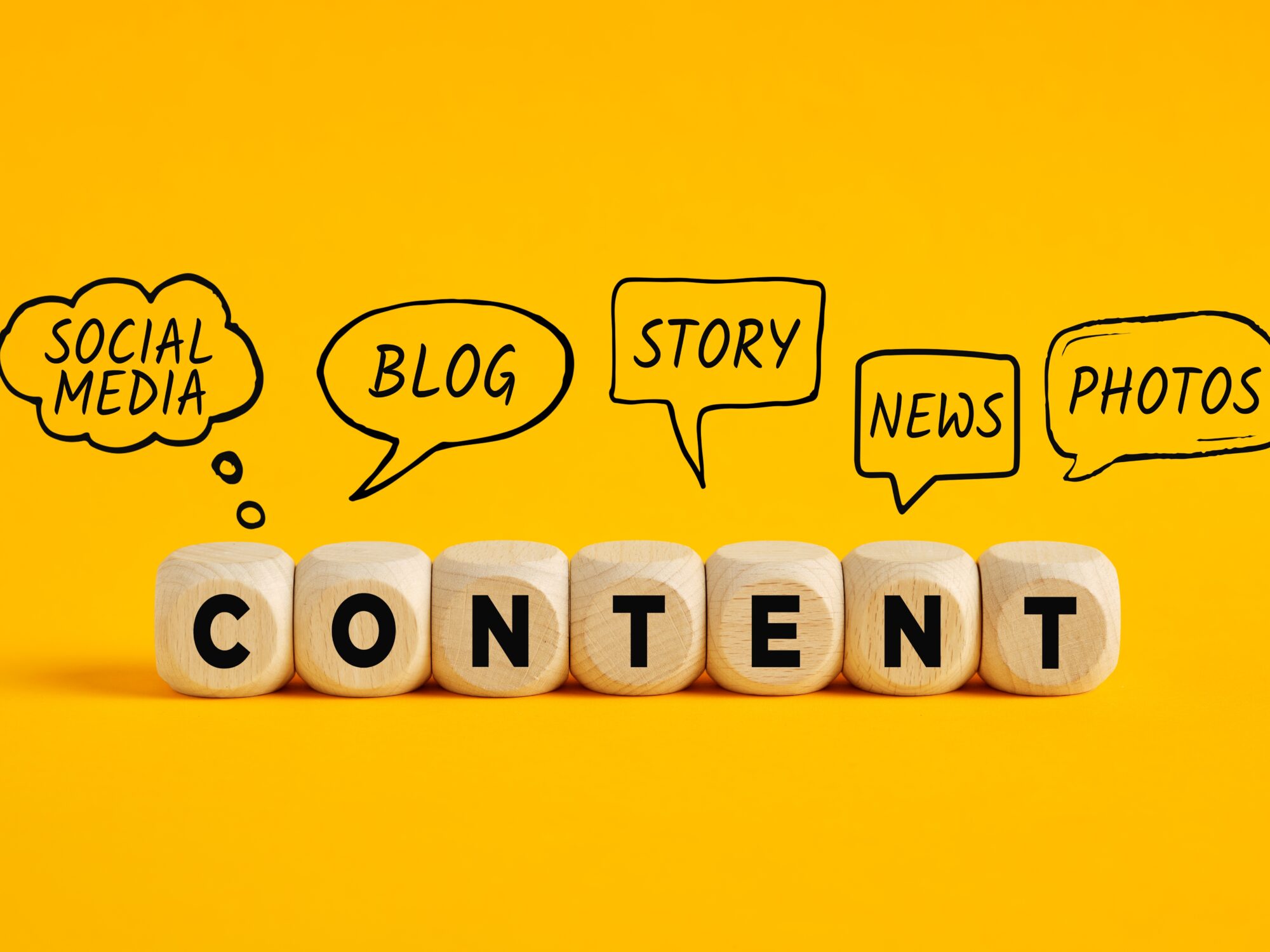
A single piece of content often contains more value than brands realize. One blog can become multiple social posts. One event can become a recap article, email campaign, photo carousel, quote graphic, and short video. One case study can become a sales asset, website proof point, testimonial post, and paid ad angle.
This matters because quality content takes time. Researching, writing, designing, recording, editing, approving, and publishing all require effort. If a business only uses an asset once, it may be leaving visibility and engagement on the table.
Google’s guidance on helpful content encourages businesses to create content that is useful, reliable, and written for people. That same principle should apply when content is reused. The goal is not to publish more for the sake of volume. The goal is to make useful information easier to find, understand, and act on.
The difference between recycling, resurfacing, and repurposing
These terms are often used together, but they are not exactly the same.
Recycling content means taking an existing idea and rebuilding it into a new format. A blog might become a carousel, checklist, email, video script, or paid ad concept.
Resurfacing content means bringing older content back into visibility because it is still relevant. This may involve updating a blog, sharing a past resource again, or connecting an older post to a current campaign.
Repurposing content means adapting one asset for another channel or audience. A webinar can become a blog, a blog can become social posts, and a case study can become a sales email.
The common thread is strategy. Recycling, resurfacing, and recap media should support the brand’s larger content goals, not fill space on a calendar.
How to turn existing content into new assets
The best place to start is with content that already has value. Look at blogs that explain an important service, social posts that drove strong engagement, videos that answered common questions, case studies that show proof, or campaigns that performed well.
From there, ask what the original asset can become. A blog with practical advice might become a short email series. A successful campaign can become a recap post that explains what the brand learned. A customer story can become a quote graphic, short-form video, website section, and sales follow-up.
A simple recap media workflow could look like this:
- Start with one strong content asset
- Identify the main idea, supporting points, and audience takeaway
- Choose the channels where that idea still fits
- Adjust the format, length, and CTA for each channel
- Update the asset when facts, dates, offers, or examples have changed
This approach helps brands stay active without creating disconnected content. It also gives each idea more chances to reach the right audience.
How to avoid sounding repetitive
The biggest risk with recap media is repetition. Audiences can tell when a brand is posting the same message in the same way over and over again.
To avoid that, each version of the content should have a slightly different purpose. A blog may educate. A social post may highlight one takeaway. An email may encourage the next step. A case study excerpt may build trust. A recap video may make the story easier to absorb.
The format should also change based on the channel. A LinkedIn post can be more conversational. A blog should be more complete. An email should be direct. A website section should be clear and conversion-focused.
Search also matters. Google has explained that duplicate content generally refers to substantive blocks of content that match or are very similar. Recap media should not create multiple pages that say the same thing. It should reframe useful information with a clear purpose, updated context, and a distinct audience need.
Where recap media supports SEO, AEO, and GEO
Recap media can support Search Engine Optimization (SEO) when it improves existing content, fills content gaps, and helps users find answers more easily. Updating an older blog with stronger examples, clearer headings, or new internal links can make the content more useful without requiring a completely new topic.
It can also support Answer Engine Optimization (AEO), by turning existing content into clear answers to common customer questions. A long blog may contain five or six questions your audience is already asking. Those questions can become FAQ content, short videos, social posts, or supporting sections on service pages.
Generative Engine Optimization (GEO), also benefits from clear, structured content. AI-powered search tools and generative platforms need context to understand what your brand does, who you serve, and what expertise you can provide. Recap media can reinforce those signals when it is specific, organized, and consistent across your website and owned channels.
GENERATIVE SEARCH VISIBILITY: WHY AI OVERLOOKS YOUR CONTENT
How recap media fits into a larger content strategy
Recap media works best when it is planned, not random. Before reusing content, businesses should know what goal the content supports. Is the goal to drive traffic, educate prospects, support sales, improve visibility, promote an event, or strengthen brand authority?
Once the goal is clear, it becomes easier to decide which content should be recycled, resurfaced, or expanded. A high-performing blog may deserve a refresh and a new social campaign. A recent event may deserve a recap article and email follow-up. A strong testimonial may deserve a place on a service page.
This also helps businesses avoid content clutter. Not every old post needs to come back. Not every campaign deserves a recap. Strong content strategy means choosing the assets that still support the audience, the brand, and the business goal.
How ONE18 helps brands build smarter content systems
Recap media is most effective when strategy, copywriting, design, social media, paid ads, SEO, and website content work together. When those pieces are disconnected, businesses may end up with scattered posts that do not build authority or move users toward action.
At ONE18, we help businesses identify what content is worth creating, what existing content can be reused, and how each asset should support the larger marketing system. Our team brings together content strategy, web development, copywriting, paid ads, social media, and graphic design to help brands stay consistent without wasting effort.
The goal is not to post more just to stay busy. The goal is to use strong ideas in smarter ways so your content supports visibility, trust, and growth across every channel.
Frequently Asked Questions
Recap media is content that summarizes, reframes, or extends something your brand has already created or experienced. This can include event recaps, campaign summaries, blog takeaways, webinar highlights, case study posts, or video clips.
They are related, but not exactly the same. Repurposing content usually means turning one asset into another format, such as a blog into a social post. Recap media often focuses on summarizing or extending a specific moment, campaign, event, or idea so it can continue providing value.
Reusing content can hurt SEO if it creates duplicate pages that say the same thing without adding value. It can help SEO when the content is updated, reframed, expanded, or adapted to answer a different audience need. The key is to make each version useful and distinct.
Brands can turn blogs, events, videos, case studies, and campaigns into quote graphics, short clips, carousels, key takeaway posts, behind-the-scenes content, and email snippets. The message should be adjusted for each platform instead of copied exactly.
Recap media can support AEO by turning existing content into clear answers to customer questions. It can support GEO by reinforcing consistent, structured information about your brand, services, audience, and expertise across your website and owned channels.